
Introduction to Basic Life Support (BLS)
Basic life support (BLS) training prepares individuals to provide immediate care during life-threatening emergencies such as cardiac arrest or respiratory distress. It teaches various techniques that sustain life until professional medical help arrives. Serving as the first response in emergencies, BLS is a critical skill for healthcare professionals, first responders, and laypersons alike.
BLS plays a crucial role by bridging the gap between a medical emergency and advanced medical care. In situations where every second matters, like cardiac arrest, promptly and effectively applying BLS can save lives. Over time, BLS techniques have advanced alongside medical science, integrating new research and technologies to improve outcomes.
Training in BLS is essential. While healthcare providers are the primary group needing certification, the training is increasingly accessible to the general public. This broader training initiative acknowledges that emergencies can happen anywhere, and a quick, informed response is vital to saving lives.
The Science Behind Basic Life Support (BLS)
Understanding Cardiac Arrest
BLS relies on understanding human physiology and life-threatening emergencies, focusing on managing cardiac arrest when the heart suddenly stops. This condition cuts off oxygen flow to vital organs, making immediate intervention crucial to prevent brain damage or death within minutes.
Physiology of Breathing and Circulation
Understanding breathing and circulation physiology is essential to BLS. Normally, oxygen enters the lungs, flows into the bloodstream, and reaches the body’s tissues. In cardiac arrest, this process halts, requiring chest compressions and rescue breaths to maintain oxygenation and circulation.
The Chain of Survival
The Chain of Survival is a key BLS concept, outlining steps to improve survival after cardiac arrest. These steps include early recognition, activating emergency response systems, early CPR, rapid defibrillation, advanced life support, and post-cardiac arrest care. BLS is foundational for the first three steps.
Key Medical Concepts in Basic Life Support (BLS)
Understanding these medical concepts benefits not just healthcare providers; even laypersons can use this knowledge as the first line of defense in an emergency.
Core Components of Behind Basic Life Support (BLS) Training
Scene Safety and Initial Assessment
Behind Basic Life Support (BLS) training focuses on core components that provide individuals with essential skills for effective emergency response. The first step involves ensuring scene safety and conducting an initial assessment. This step requires quickly evaluating the environment for dangers to the rescuer and victim, deciding if BLS intervention is needed.
Activation of Emergency Response
After confirming scene safety, the next important step is activating the emergency response system. This typically includes calling emergency services and requesting an Automated External Defibrillator (AED) if one is available. Early activation is vital because it ensures advanced medical help is en route while BLS procedures are being conducted.
High-Quality Cardiopulmonary Resuscitation (CPR)
High-quality cardiopulmonary resuscitation (CPR) is the cornerstone of BLS. CPR involves performing chest compressions to manually pump blood through the heart and delivering rescue breaths to oxygenate the blood. The quality of CPR—its depth, rate, and consistency—directly impacts the likelihood of survival and recovery.
Rescue Breaths and Airway Management
Airway management and rescue breaths are also integral parts of BLS. Maintaining a clear airway ensures that oxygen can reach the lungs, and rescue breaths provide the necessary oxygen when the victim is not breathing adequately on their own. These skills require practice and precision, as improper technique can reduce the effectiveness of BLS.
Detailed Steps in Performing Basic Life Support (BLS)
Assessing Responsiveness and Breathing
Performing BLS involves a series of well-defined steps, each critical to the overall success of the intervention. The process begins with assessing responsiveness and breathing. The rescuer should first check if the victim is conscious by gently shaking them and shouting for a response. If there is no response and the victim is not breathing or only gasping, BLS must begin immediately.
Performing Chest Compressions
The next step is performing chest compressions. The rescuer should position their hands in the centre of the victim’s chest and compress firmly at a rate of 100-120 compressions per minute, aiming for a depth of at least 5 cm (about 2 inches) in adults. These compressions help maintain blood flow to vital organs, buying time until advanced care is available.
Providing Rescue Breaths
Providing rescue breaths follows chest compressions. After every 30 compressions, the rescuer should deliver two breaths, ensuring that each breath makes the chest rise. This helps to oxygenate the blood, which is then circulated by the compressions.
Use of Automated External Defibrillators (AEDs)
The use of an Automated External Defibrillator (AED) is a critical aspect of BLS, particularly in cases of cardiac arrest due to ventricular fibrillation or pulseless ventricular tachycardia. AEDs are designed to be user-friendly, with clear instructions and voice prompts. Once attached, the AED will assess the heart’s rhythm and, if necessary, deliver a shock to restore a normal rhythm.

Special Considerations in Basic Life Support (BLS)
Adult vs. Paediatric Basic Life Support (BLS) Procedures
While the core principles of BLS are consistent, there are special considerations for different populations and situations. For instance, BLS procedures for adults differ from those for children and infants. Paediatric BLS requires modifications in technique, such as using a different compression depth and hand placement, as well as the ratio of compressions to breaths.
Basic Life Support (BLS) for Pregnant Women
BLS for pregnant women also requires adjustments. When performing chest compressions on a pregnant woman, it’s important to slightly shift the uterus to the left to relieve pressure on the major blood vessels, thereby improving circulation.
Considerations for Individuals with Special Needs
Individuals with special needs, such as those with physical disabilities or medical devices, may also require adapted BLS procedures. Rescuers should be aware of these considerations and be prepared to adjust their techniques accordingly.
Basic Life Support (BLS) in Various Environments (e.g., Workplace, Home, Outdoors)
The environment in which BLS is performed can also impact how it is administered. In the workplace, for example, specific protocols might be in place, and equipment like AEDs might be readily available. In contrast, BLS in outdoor or remote settings might require improvisation and reliance on basic skills without access to advanced equipment.
Role of Technology in Basic Life Support (BLS) Training
Online and Virtual Training Platforms
Technology now plays a crucial role in Basic Life Support (BLS) training, making it both more accessible and more effective. Online and virtual training platforms let individuals learn and practice BLS techniques from any location, often through interactive modules that simulate real-life scenarios. As a result, this flexibility has expanded the reach of Basic Life Support (BLS) training, especially in areas where in-person courses aren’t feasible.
The Use of Simulations and Manikins
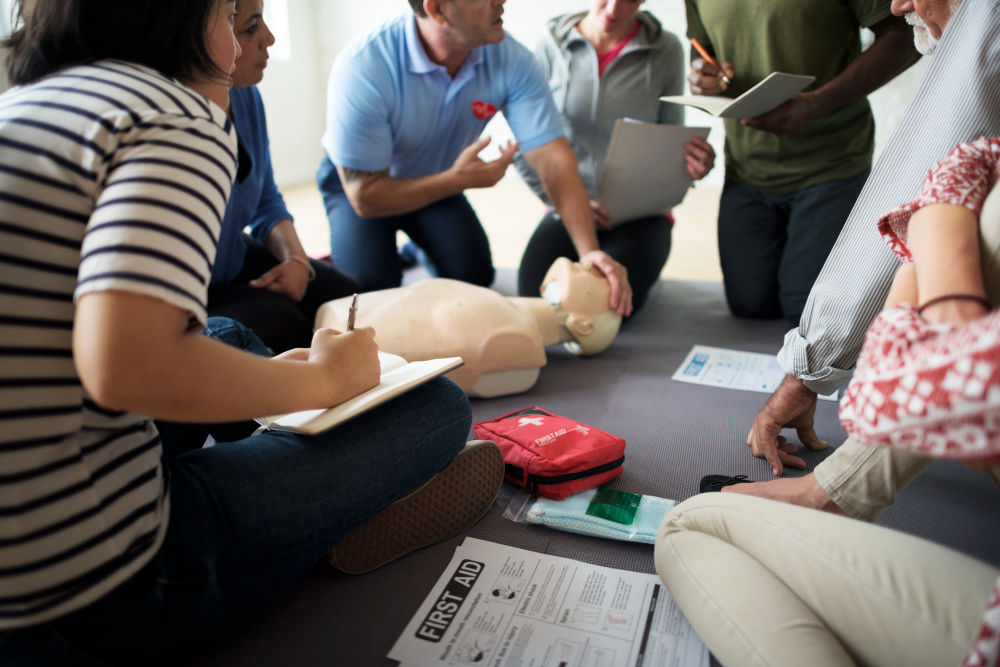
Basic Life Support (BLS) training commonly uses simulations and manikins to provide hands-on practice in a controlled environment. High-fidelity manikins, for example, can simulate various physiological responses, offering trainees a realistic experience when performing CPR and other BLS techniques.
Mobile Apps and Digital Aids in Basic Life Support (BLS)
Mobile apps and digital aids also serve as valuable tools in BLS. These apps provide step-by-step guidance during emergencies, refreshing users’ memories on critical steps such as chest compression depth and rate. Additionally, some apps include features like AED locators and emergency contact information, which further enhance BLS effectiveness.
The Future of Technology in Basic Life Support (BLS) Training
Looking ahead, technology’s role in Basic Life Support (BLS) training is likely to expand. Innovations like virtual reality (VR) and artificial intelligence (AI) could transform BLS education, delivering even more immersive and personalized learning experiences.
Importance of Regular Basic Life Support (BLS) Certification
Certification Requirements and Validity
Getting and keeping a BLS certification is vital for anyone who might need to handle medical emergencies. This certification guarantees that people have the latest skills and knowledge, as BLS guidelines are regularly updated to reflect new research and best practices.
Benefits of Regular Recertification
To become certified, individuals usually need to complete a BLS course, pass a practical assessment, and succeed in a written exam. Certification generally remains valid for one to two years, after which recertification is necessary to maintain competency.
BLS in Professional Licensing and Employment
Regular recertification is beneficial not only because it keeps skills sharp, but also because it provides an opportunity to learn about any updates or changes in BLS protocols. This is particularly important for healthcare professionals, for whom BLS certification may be a licensing or employment requirement.
Continuing Education in Basic Life Support (BLS)
Continuing education in BLS is also valuable, allowing individuals to expand their knowledge and skills beyond the basics. Advanced BLS courses, for instance, may cover more complex scenarios or integrate additional life support techniques, further enhancing a responder’s capability in an emergency.

Common Challenges in Basic Life Support (BLS) Training
Overcoming Psychological Barriers
Despite the importance of Basic Life Support (BLS), training can present several challenges. One of the most significant is overcoming psychological barriers. Many people fear making mistakes during an emergency or are anxious about their ability to perform CPR effectively. Basic Life Support (BLS) training often includes components designed to build confidence and reduce these anxieties.
Physical Demands of CPR
The physical demands of performing CPR can also be a challenge. Effective chest compressions require strength and stamina, which can be difficult for some individuals to maintain. BLS courses usually address this by teaching proper body mechanics and encouraging practice to build endurance.
Addressing Misconceptions and Myths
Misconceptions and myths about BLS can also pose challenges. For example, some people mistakenly believe that only healthcare professionals can perform CPR, or that it is always harmful to give rescue breaths. Addressing these misconceptions through education is a key part of Basic Life Support (BLS) training.
Cultural Sensitivity in Basic Life Support (BLS) Training
Cultural sensitivity is another important consideration in Basic Life Support (BLS) training. In diverse communities, trainers must be aware of cultural differences in attitudes towards medical intervention and tailor their approach to ensure that all participants feel comfortable and respected.
Basic Life Support (BLS) for Healthcare Professionals
Differences Between Layperson and Professional Basic Life Support (BLS)
For healthcare professionals, mastering and regularly updating BLS is essential. Although the basic principles remain consistent, BLS for professionals involves additional techniques and considerations not typically included in training for laypersons.
Advanced BLS Techniques for Medical Staff
A significant distinction is the inclusion of advanced airway management techniques, like inserting airway adjuncts or using bag-valve masks. Healthcare providers also learn to integrate BLS with advanced life support measures, such as administering medications or performing more complex resuscitation procedures.
Role of BLS in Clinical Settings
In clinical settings, BLS often involves teamwork, requiring coordination and clear communication to cover all aspects of patient care. Consequently, Basic Life Support (BLS) training for healthcare professionals frequently includes team-based scenarios to practice these skills.
BLS in Emergency Response Teams
Healthcare professionals must also master using various medical devices during BLS, such as defibrillators, oxygen delivery systems, and monitoring equipment. This skill is crucial for providing top-notch care in both emergency and routine medical situations.
Community Impact of Basic Life Support (BLS) Training
Role of BLS in Public Health
Basic Life Support (BLS) training significantly impacts public health, benefiting entire communities by extending its reach beyond individual trainees. By equipping more people with emergency response skills, Basic Life Support (BLS) training fosters a more resilient society where lives can be saved through prompt, effective action.
Promoting BLS Awareness and Education
Promoting BLS awareness and education plays a vital role in public health initiatives. Community-based programs offering free or low-cost Basic Life Support (BLS) training can increase the number of trained individuals, especially in high-risk areas with limited access to medical care.
Community-Based BLS Programmes
Case studies demonstrate the life-saving potential of community-based BLS initiatives. In cities with a high percentage of BLS-trained individuals, survival rates for out-of-hospital cardiac arrest have significantly improved. These success stories highlight the importance of investing in widespread BLS education.
Case Studies of Lives Saved by BLS
To maximize the community impact of Basic Life Support (BLS) training, it is crucial to ensure accessibility and inclusivity. This involves offering courses in multiple languages, adapting materials for people with disabilities, and collaborating with local organizations to reach underserved populations.
Global Standards and Guidelines
Overview of Global Basic Life Support (BLS) Guidelines
Global standards and guidelines govern Basic Life Support (BLS) and are periodically updated by leading health organizations. These guidelines rely on the latest scientific research, aiming to standardize BLS practices worldwide to ensure consistent and effective emergency responses.
Differences in BLS Protocols Worldwide
The American Heart Association (AHA) produces one of the most recognized sets of guidelines. It offers detailed recommendations on BLS procedures, including CPR techniques, the use of AEDs, and airway management. Likewise, the European Resuscitation Council (ERC) provides guidelines tailored specifically to European practices.
Leading Organisations in Basic Life Support (BLS) Training (e.g., AHA, ERC)
While the core principles of BLS remain consistent globally, protocol variations exist due to local resources, medical infrastructure, and cultural factors. For example, some regions may have limited AED availability, necessitating alternative approaches to managing cardiac arrest.
Importance of Adhering to Guidelines
Following global guidelines is crucial for ensuring BLS is performed effectively and safely. Training organizations and instructors should stay updated on these guidelines and integrate them into their courses, providing the most current and accurate instruction possible.
Legal and Ethical Aspects of Basic Life Support (BLS)
Legal Responsibilities of Basic Life Support (BLS) Providers
Understanding the legal and ethical aspects of Basic Life Support (BLS) is crucial for anyone trained in these life-saving techniques. It’s essential for BLS providers to know their legal responsibilities to ensure they deliver care properly and stay within legal boundaries.
Good Samaritan Laws and BLS
Good Samaritan laws in many places offer legal protection to those who perform BLS during emergencies, as long as they act in good faith and within their training. These laws aim to encourage bystanders to help without the fear of legal repercussions if things don’t go as planned.
Ethical Considerations in Life-Saving Scenarios
Ethics also plays a significant role in BLS. Deciding when to start or stop resuscitation can be challenging, especially when survival chances are low. BLS providers must weigh their duty to save lives against respecting a patient’s autonomy and wishes, which might not always be clear in emergencies.
Documentation and Reporting After Performing Basic Life Support (BLS)
Accurate documentation and reporting after BLS are also vital. Healthcare professionals often need to record the care provided during emergencies, detailing the situation, the actions taken, and the outcomes. This documentation is essential for both legal compliance and medical records.
Psychological Impact of Basic Life Support (BLS) Training
Preparing Mentally for BLS Situations
Basic Life Support (BLS) training equips individuals with technical skills and prepares them mentally for the challenges of emergency response. Performing BLS can have a significant psychological impact, especially in high-stress situations where the outcome remains uncertain.
Coping with Stress and Trauma After Performing Basic Life Support (BLS)
To mentally prepare for BLS scenarios, trainees focus on building resilience and confidence. They visualize various situations, practice regularly, and learn techniques for managing stress to remain calm and focused during real emergencies.
Peer Support and Counselling for BLS Providers
Coping with the stress and trauma after performing BLS is crucial. Individuals often experience emotional reactions following intense situations, particularly if the outcome wasn’t favorable. Peer support, counseling, and debriefing sessions help BLS providers process their experiences and mitigate long-term psychological effects.
Building Confidence Through Training
Building confidence through training is vital for effective Basic Life Support (BLS). Regular practice, positive reinforcement, and a supportive learning environment enable individuals to feel more capable and ready to act when necessary.
Future Trends in Basic Life Support (BLS) Training
Innovations in BLS Techniques and Equipment
The field of BLS is evolving rapidly, with new trends and innovations that could reshape training delivery and care provision. Innovations in BLS techniques and equipment are emerging. For instance, research on more effective CPR methods has led to changes in compression techniques and the introduction of feedback devices to ensure proper delivery.
Emerging Research and Evidence-Based Practices
Emerging research and evidence-based practices are also shaping the future of BLS. Studies on the outcomes of different resuscitation strategies, the effectiveness of public access defibrillation programmes, and the impact of training on survival rates are all contributing to the development of more effective BLS protocols.
The Role of Artificial Intelligence in BLS
Artificial intelligence (AI) is another exciting development in BLS. AI-powered devices could provide real-time guidance during an emergency, analyse patient data to improve decision-making, or even predict the likelihood of survival based on various factors. These innovations have the potential to enhance the effectiveness of BLS and improve outcomes for patients.
Predictions for the Next Decade in Basic Life Support (BLS) Training
Looking ahead, the next decade is likely to see continued advancements in Basic Life Support (BLS) training and practice. As technology and research continue to evolve, BLS providers will have access to more tools and resources to help them save lives.

Conclusion
Basic Life Support (BLS) training empowers individuals to respond effectively to life-threatening emergencies, making it a vital skill set. Whether you’re a healthcare professional, first responder, or concerned citizen, being trained in BLS can significantly impact critical situations.
The importance of BLS cannot be overstated. It forms the foundation of emergency medical care and can be the deciding factor in whether a person survives a cardiac arrest or other medical emergency. As such, pursuing BLS certification is not only a personal investment in your ability to help others but also a contribution to the safety and well-being of your community.
The skills you gain in Basic Life Support (BLS) training become lifelong assets. Regular practice and recertification keep you ready to act when needed. Knowing you have the ability to save a life feels both empowering and reassuring.
As we look to the future, the role of BLS in public health will continue to grow, driven by advancements in training methods, technology, and research. By staying informed and engaged in ongoing education, you can be a part of this vital movement to improve emergency response and save lives.
FAQs
1. What is Basic Life Support (BLS), and why is it essential?
Basic Life Support (BLS) is a set of emergency procedures designed to sustain life during critical medical situations, such as cardiac arrest. It is essential because it provides immediate care that can significantly increase the chances of survival until professional medical help arrives.
2. How often should BLS certification be renewed?
BLS certification typically needs to be renewed every one to two years, depending on the certifying organisation. Regular recertification is important to ensure that your skills and knowledge remain up to date with current guidelines.
3. Can anyone perform BLS, or is it just for healthcare providers?
While BLS is a crucial skill for healthcare providers, it is also accessible to laypersons. Many organisations offer Basic Life Support (BLS) training to the general public, and anyone can learn and perform BLS in an emergency.
4. What equipment is typically used in BLS?
The primary equipment used in BLS includes an Automated External Defibrillator (AED), a barrier device for rescue breaths, and sometimes airway adjuncts like oropharyngeal airways. In most cases, however, BLS can be performed with just your hands for CPR and a barrier device for breaths.
5. How can I find a Basic Life Support (BLS) training course near me?
You can find Basic Life Support (BLS) training courses through various organisations such as the American Heart Association, Red Cross, or local healthcare facilities. Many online platforms also offer courses that combine virtual learning with in-person assessments.
6. What should I do if I forget some BLS steps during an emergency?
If you forget some steps during an emergency, focus on the basics: ensure the scene is safe, call for help, and start chest compressions if the person is unresponsive and not breathing normally. The key is to take action rather than do nothing, as any effort can increase the person’s chances of survival.